The History and Evolution of Contemporary Dance
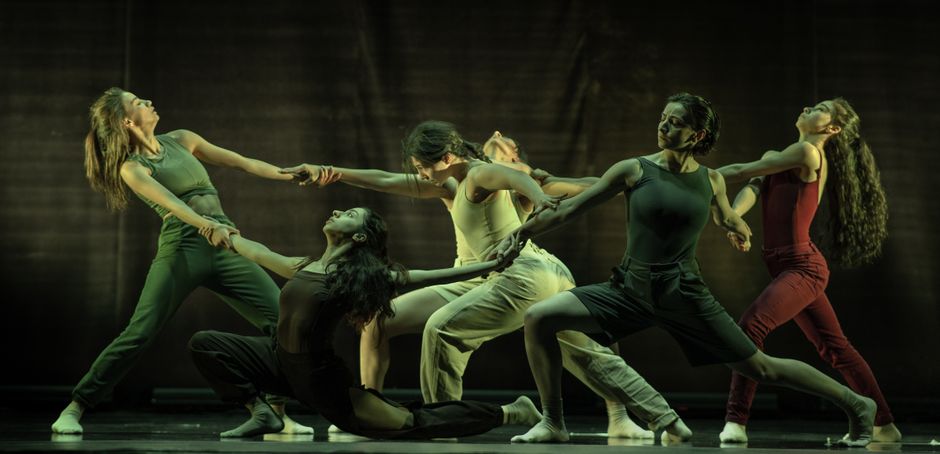
Contemporary dance is a genre that emerged in the mid-twentieth century as a departure from the rigid structures of classical ballet and the expressive tenets of modern dance. It is characterized by its openness to experimentation, its blend of various movement vocabularies, and its emphasis on individual expression. Unlike earlier forms, contemporary dance does not adhere to a single codified technique; instead, it draws from a wide range of influences, including modern, postmodern, and classical styles, as well as non-Western movement practices. This article traces the historical development of contemporary dance, highlighting the key figures and techniques that have shaped its trajectory in the United States and beyond.
Understanding the evolution of contemporary dance requires examining its roots in modern dance, which itself was a rebellion against the confines of ballet. Pioneers such as Isadora Duncan and Martha Graham laid the groundwork by prioritizing emotional expression and natural movement over technical precision. Their innovations eventually gave rise to new generations of choreographers who sought even greater freedom, leading to the postmodern experiments of the 1960s and 1970s. From these diverse currents, contemporary dance emerged as a flexible and ever-evolving art form that continues to reflect the complexities of modern life.
In the following sections, we will explore the foundational influences of modern dance, the emergence of postmodernism, the role of key choreographers, the development of contemporary techniques, and the global diffusion of the genre. By examining these elements, we can gain a deeper appreciation for the rich tapestry of contemporary dance and its ongoing evolution.
Modern Dance Foundations
Modern dance arose in the early twentieth century as a reaction against the perceived limitations of classical ballet. Ballet emphasized formalized steps, ethereal aesthetics, and rigid hierarchies, which many dancers and choreographers found restrictive. In contrast, modern dance pioneers sought to express human emotion and experience through movement that felt natural and authentic. Isadora Duncan, often considered the mother of modern dance, rejected ballet’s pointe shoes and corseted costumes in favor of free-flowing movements inspired by nature and ancient Greek art. Her emphasis on the solar plexus as the source of movement and her use of breath and weight laid the groundwork for a new approach to dance.
Martha Graham further codified modern dance with her groundbreaking technique that focused on contraction and release, centered on the pelvis. Her choreography often drew from Greek mythology and psychological themes, exploring the depths of human emotion. Graham’s technique became a cornerstone of modern dance training and remains influential today. Similarly, Doris Humphrey and Charles Weidman developed the fall and recovery technique, which explored the interplay between gravity and equilibrium. These early modern dancers established a legacy of innovation and self-expression that would inspire future generations.
The modern dance movement was not limited to the United States; in Germany, Rudolf von Laban and Mary Wigman developed expressive dance (Ausdruckstanz) that emphasized spatial awareness and emotional intensity. Laban’s theories on movement analysis, including his effort graph and space harmony, continue to be taught in contemporary dance programs. The cross-pollination of ideas between Europe and America enriched the developing art form and set the stage for further experimentation.
Postmodern Turn and the Judson Church Movement
By the 1960s, a new generation of choreographers began to question the conventions of modern dance, leading to the postmodern movement. Central to this shift was the Judson Dance Theater, a collective of artists who performed at the Judson Memorial Church in New York City from 1962 to 1964. Figures such as Yvonne Rainer, Trisha Brown, Steve Paxton, and Deborah Hay challenged the notion that dance needed to be theatrical, narrative, or technically virtuosic. They embraced ordinary movement, task-based performance, and improvisation, often breaking down the barrier between performer and audience.
Yvonne Rainer’s “No Manifesto” (1965) famously rejected spectacle, virtuosity, and transformation, advocating for a more democratic and process-oriented approach to dance. Trisha Brown’s “Accumulation” (1971) and her equipment pieces explored the mechanics of movement and the body’s relationship to gravity and space. Steve Paxton’s development of Contact Improvisation in 1972 introduced a form of partner dance based on weight-sharing, momentum, and spontaneous interaction, which became a significant technique in contemporary dance. The Judson choreographers prioritized concept over technique, often using everyday gestures and pedestrian movement, which expanded the definition of what dance could be.
The postmodern movement also saw the rise of site-specific work, multimedia collaborations, and the use of text and video. These innovations paved the way for contemporary dance to incorporate a wide range of media and interdisciplinary approaches. The Judson Church movement’s influence is evident in the work of many contemporary choreographers who continue to explore the boundaries of the art form.
Key Choreographers and Their Contributions
The evolution of contemporary dance has been shaped by numerous visionary choreographers, each contributing distinct approaches and aesthetics. Merce Cunningham, a former soloist with Martha Graham, revolutionized dance by separating movement from music and embracing chance procedures. His collaborations with composer John Cage and visual artist Robert Rauschenberg expanded the possibilities of performance. Cunningham’s technique emphasized the spine, spatial clarity, and the independence of body parts, and his company served as a training ground for many contemporary dancers.
Pina Bausch, a German choreographer, developed Tanztheater (dance theater), which blended movement, speech, and theatrical elements to explore human relationships and emotions. Her works, such as “Café Müller” and “The Rite of Spring,” are celebrated for their emotional depth and surreal imagery. In the United States, Twyla Tharp brought a witty and eclectic style that fused ballet, jazz, and modern dance, often set to popular music. Her choreography for Broadway and film further popularized contemporary dance.
William Forsythe, an American choreographer based in Europe, deconstructed classical ballet and created intricate, often improvisational works that challenged traditional notions of form and technique. His “Improvisation Technologies” and “Synchronous Objects” projects explore the intersection of dance and digital media. Ohad Naharin, artistic director of Batsheva Dance Company in Israel, developed Gaga, a movement language that emphasizes sensory awareness and improvisation, which has been adopted by dancers worldwide. These choreographers, among many others, have expanded the vocabulary and reach of contemporary dance.
Techniques and Training in Contemporary Dance
Contemporary dance encompasses a diverse range of techniques and training methods, reflecting its inclusive and adaptive nature. Many contemporary dancers train in multiple disciplines, including ballet, modern, jazz, and release technique. Release technique, developed in the 1970s, focuses on breath, skeletal alignment, and the efficient use of energy to achieve fluid, effortless movement. It often incorporates elements of Alexander Technique and Feldenkrais Method to promote body awareness and prevent injury.
Graham technique remains a staple in many contemporary programs, as does Horton technique, developed by Lester Horton, which emphasizes strength, flexibility, and anatomical correctness. Cunningham technique is also taught for its rigorous spatial and rhythmic demands. In addition, many contemporary dancers study improvisation, contact improvisation, and partnering, as well as somatic practices such as Body-Mind Centering. The integration of these techniques allows dancers to adapt to various choreographic styles and to develop their own artistic voices.
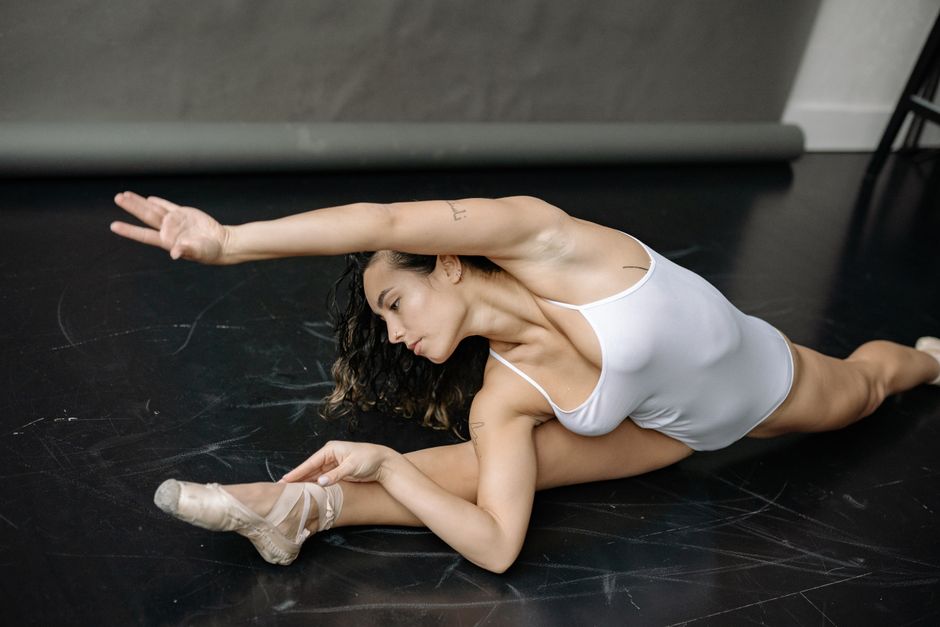
Contemporary dance training often includes floor work, which involves moving on and off the floor with ease and control. This has been influenced by modern dance and release technique, as well as by martial arts and yoga. The emphasis on versatility and cross-training reflects the demands of a field that values innovation and individuality. Many university dance programs and conservatories offer comprehensive curricula that blend theoretical and practical studies, preparing dancers for diverse career paths.
Global Diffusion and Contemporary Forms
Since the late twentieth century, contemporary dance has become a global phenomenon, with vibrant scenes in Europe, Asia, Africa, and Latin America. Each region has developed its own distinctive flavor, influenced by local cultural traditions and sociopolitical contexts. In Europe, dance companies such as Netherlands Dance Theater and Tanztheater Wuppertal Pina Bausch have been instrumental in shaping contemporary aesthetics. In Asia, choreographers like Cloud Gate Dance Theatre of Taiwan and Sankai Juku of Japan have gained international acclaim for works that blend traditional and modern elements.
In Africa, contemporary dance often addresses social and political issues, with companies like Compagnie Jant-Bi from Senegal and Via Katlehong from South Africa exploring themes of identity and post-colonialism. Latin American contemporary dance, represented by companies like Grupo de Rua from Brazil and Compañía Nacional de Danza from Mexico, is known for its energetic and often socially engaged work. The global exchange of ideas has been facilitated by festivals, residencies, and digital platforms, allowing artists to collaborate across borders.
Today, contemporary dance continues to evolve, embracing new technologies, interdisciplinary collaborations, and diverse voices. The genre’s openness to experimentation ensures that it remains a vital and dynamic art form. As we look to the future, it is likely that contemporary dance will continue to reflect and respond to the complexities of the world, pushing boundaries and redefining what dance can be.