Mastering Footwork in Latin Ballroom
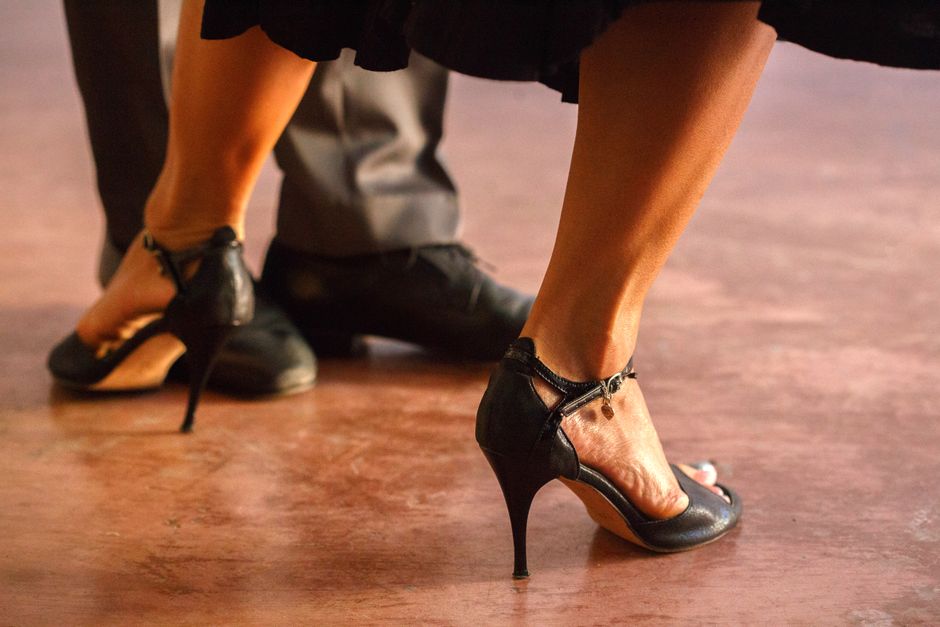
Latin ballroom dancing is a dynamic and expressive form of dance that combines intricate footwork, rhythmic hip action, and precise weight shifts. For dancers looking to improve their cha-cha and rumba, understanding the foundational elements of footwork is essential. This guide explores basic Latin footwork patterns, the mechanics of weight transfer, and the development of hip action, offering a structured approach to practice. Whether you are a beginner or an experienced dancer, focusing on these components can enhance your overall performance and musicality.
At Rhythm Studio, we emphasize a methodical approach to mastering footwork. The journey begins with understanding how the feet interact with the floor, how weight is transferred from one foot to the other, and how the hips respond to these movements. By breaking down each element, dancers can build a solid technical foundation that supports more advanced patterns and styling. This article provides a comprehensive overview of these principles, with practical exercises to incorporate into your practice routine.
It is important to note that progress in dance depends on various factors, including individual dedication, physical condition, and quality of instruction. The information presented here is intended as a general guide to supplement professional training. Always consult with a qualified instructor to address your specific needs and goals.
Understanding Latin Footwork Fundamentals
Latin footwork is characterized by specific techniques that differ from other ballroom styles. In dances like cha-cha and rumba, the feet are typically placed with precision, often using the inside edge of the foot or the ball of the foot to create a connection with the floor. This connection allows for quick, sharp movements in cha-cha and smooth, fluid transitions in rumba. The footwork patterns are designed to facilitate the characteristic hip action known as Cuban motion.
One of the fundamental concepts is the use of the ball of the foot for most steps, which enables rapid weight changes and promotes a grounded feeling. Dancers often practice exercises such as the “Latin footwork drill,” where they step onto the ball of the foot, then lower the heel, and finally release the toe. This sequence helps develop control and articulation. Additionally, the placement of the foot—whether forward, side, or back—affects the line and balance of the body.
Another key aspect is the timing of footwork relative to the music. In cha-cha, the footwork often syncopates with the rhythmic “cha-cha-cha” count, requiring quick transfers of weight. In rumba, the steps are slower, allowing for more emphasis on hip movement and extension. Practicing with a metronome or counting aloud can help internalize these rhythms. It is also beneficial to practice footwork patterns without upper body movement initially, to isolate and refine the lower body technique.
Weight Shifts and Balance
Weight shifts are the foundation of all movement in Latin dance. A weight shift occurs when the body’s center of gravity moves from one foot to the other, allowing for steps and turns. In Latin ballroom, weight shifts are often delayed, creating a sense of opposition and dynamism. For example, in a forward step, the weight is transferred onto the ball of the foot first, then the heel lowers, and finally the weight settles onto the whole foot as the next step is prepared.
Proper weight shift technique involves the use of the ankles, knees, and hips to absorb and redirect energy. Dancers should avoid locking the knees or僵硬 the ankles, as this restricts movement and can lead to injury. Instead, a slight bend in the knees and a flexible ankle allow for smooth transitions. Balance is maintained by keeping the center of gravity over the supporting foot while the free foot moves. This requires core strength and proprioception, which can be developed through balance exercises such as standing on one leg with eyes closed.
In partner dancing, weight shifts must be coordinated with the partner to maintain connection and avoid pulling or pushing. The leader initiates the shift, and the follower responds, but both dancers must be aware of their own balance and that of their partner. Practicing weight shifts in isolation, then with a partner, helps build the necessary sensitivity and timing. It is also useful to practice shifting weight in different directions—forward, backward, and side—to develop versatility.
Developing Hip Action (Cuban Motion)
Hip action, often referred to as Cuban motion, is a signature element of Latin ballroom dancing. It is not a forced movement of the hips but rather a natural result of correct weight shifts and footwork. When the weight is transferred onto a bent knee, the hip on that side lifts slightly, while the opposite hip drops. This creates a lateral movement that is smooth and continuous. The key to Cuban motion is the articulation of the knees and ankles, which allows the hips to move freely.
To develop hip action, dancers should focus on the following:
- Keeping the knees slightly bent and flexible throughout the dance.
- Transferring weight smoothly from one foot to the other, allowing the hips to respond naturally.
- Practicing the “Cuban motion drill”: standing with feet together, shifting weight side to side while bending and straightening the knees, and allowing the hips to move.
- Using the floor to push off, which initiates the hip movement.
- Avoiding tension in the hips and lower back; relaxation is essential for fluid motion.
It is important to note that hip action should not be forced or exaggerated, as this can lead to injury and looks unnatural. Instead, it should be a relaxed, pendulum-like motion that originates from the legs. Dancers often practice in front of a mirror to observe their hip movement and ensure it is smooth and continuous. Additionally, incorporating stretching and strengthening exercises for the legs and core can support the development of Cuban motion.
“Hip action is not about moving the hips; it’s about moving the weight and letting the hips follow.” — Anonymous dance instructor
Practice Strategies for Cha-Cha and Rumba
Improving footwork in cha-cha and rumba requires consistent and focused practice. A structured practice session might include a warm-up, isolation exercises, pattern practice, and cool-down. For cha-cha, practice the basic step, New York, and spot turn, paying attention to the quick footwork and syncopated timing. For rumba, focus on the box step, Cuban walks, and hand-to-hand, emphasizing slow, controlled movements and hip action. It is helpful to practice both dances to a range of tempos to develop adaptability.
When practicing, it is beneficial to break down each pattern into smaller components: foot placement, weight shift, hip action, and upper body styling. Practice each component separately, then integrate them. For example, practice the footwork of the cha-cha basic without hip action, then add weight shifts, and finally allow the hips to move. This progressive approach helps build muscle memory and ensures technical accuracy. Using a mirror or recording yourself can provide valuable feedback.
Another effective strategy is to practice with a partner, focusing on connection and timing. Partner practice helps simulate social dance conditions and improves communication. However, solo practice is equally important for refining personal technique. Dancers at Rhythm Studio often combine solo drills with partner work to achieve a balanced development. It is also recommended to cross-train with other dance styles or exercises that enhance foot strength, balance, and flexibility.
Common Challenges and How to Address Them
Dancers often encounter challenges when mastering Latin footwork. One common issue is stiff knees, which prevents proper hip action and makes movements look robotic. To address this, focus on relaxing the legs and practicing with a slight bend in the knees. Another challenge is incorrect foot placement, such as stepping flat-footed instead of using the ball of the foot. This can be corrected by practicing foot articulation exercises and being mindful of each step.Timing issues are also prevalent, especially in cha-cha where the syncopation can be tricky. Practicing with a metronome or counting the beats aloud can help internalize the rhythm. Additionally, dancers may struggle with weight shifts, often leaning too far or not transferring weight completely. This can be improved by practicing balance exercises and focusing on the center of gravity. It is important to be patient and consistent; progress may vary depending on individual factors.
Finally, hip action can be elusive for some dancers. If the hips are not moving naturally, it may be due to tension or lack of knee flexion. Relaxation techniques, such as deep breathing and stretching, can help. Working with an instructor who can provide personalized feedback is invaluable. Remember that mastering these elements takes time and practice, and seeking guidance from professionals is always recommended.